Oxygen First: Supporting First Responder Wellness in Albany County
If you have ever sat on an airplane, you have heard the same instruction before takeoff: “In the event of cabin pressure loss, secure your own oxygen mask before assisting others.”
If we cannot take care of ourselves, we cannot help anyone else, right? We have to be able to breathe.
I have been thinking about that lately, not in the context of travel, but in the context of community. We ask certain members of our community to move toward crisis when the rest of us move away from it. We expect calm decision making, emotional regulation, and clarity under pressure. And the majority of the time, they deliver.
But even the most capable, dedicated professionals still have nervous systems. They still have bodies that absorb stress. They are human.
I have been sitting with the urge to write this blog for a while.
Not because I think something is broken beyond repair and certainly not because I want to criticize anyone. But because I have worked in trauma long enough, and in education long enough, to know that prevention works better than intervention/reaction almost every time.
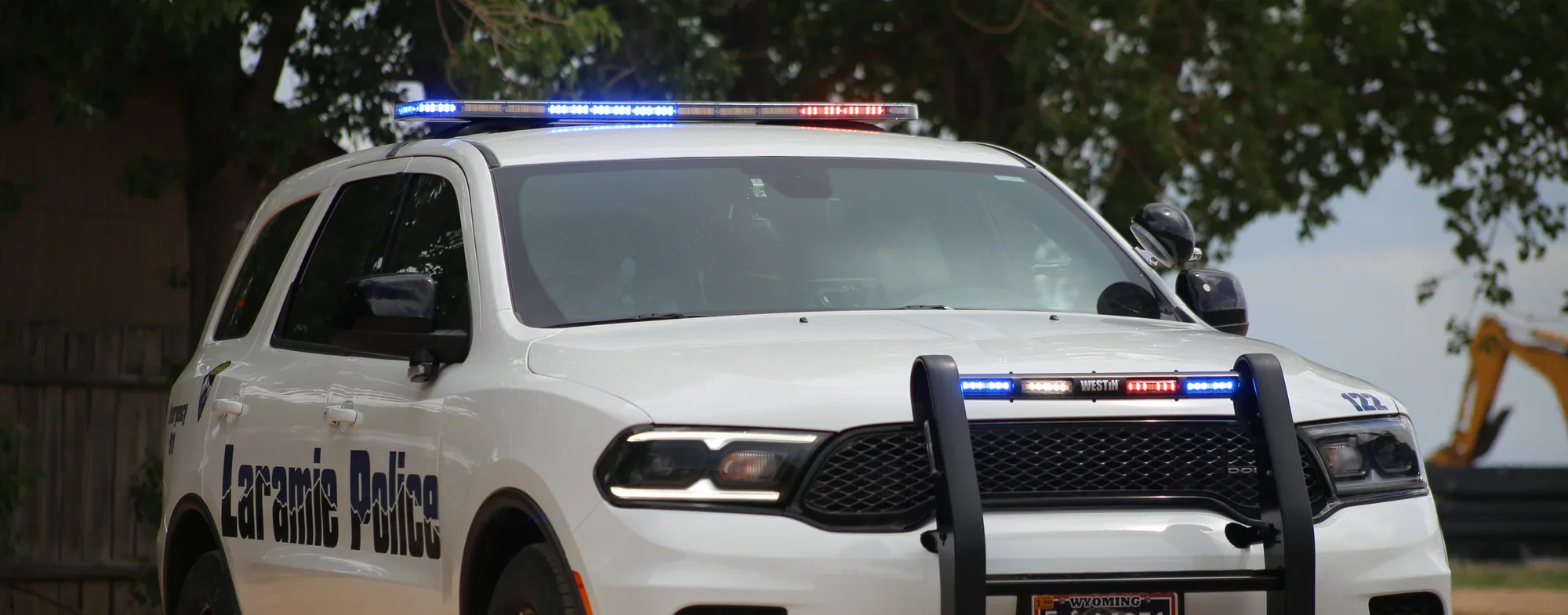
I graduated in 2007 with an education degree with an emphasis in early childhood education. I’ve spent years in classrooms watching how environment, structure, and support systems shape behavior and outcomes. In 2014, I returned to school to earn my masters in clinical mental health counseling, and I am now nationally certified in Trauma Focused Cognitive Behavioral Therapy and the owner of Moonstone Wellness in downtown Laramie. My work centers on trauma and the nervous system.
Whether I am working with children or adults, the principle remains the same: when we build support upstream, we prevent breakdown downstream.
I keep wondering what would happen if we applied that same upstream thinking to the adults in our community who carry some of the heaviest loads- our first responders.
Over the years, I have worked with and cared for people who serve as first responders. I have heard about and seen the long shifts, the fast transitions between complete crisis and normal conversation- it’s emotional whiplash. I have heard about grabbing fast food between calls because there is no time for anything else. About eating late at night after a shift because that is when the body finally slows down enough to notice hunger or not eating at all because the urge for sleep outweighs the pangs of hunger.
And I think about what that does to a nervous system (and the body physically) over time.
Research consistently shows that first responders face significantly higher risk for posttraumatic stress symptoms, depression, and anxiety compared to the general population. A systematic review by Berger et al. found PTSD prevalence rates among rescue workers of approximately ten percent, with some groups higher depending on exposure (Berger et al., 2012). More recent analyses estimate probable PTSD rates closer to fourteen percent among active first responders, which is roughly one in seven (Petrie et al., 2018). Elevated rates of depression and anxiety have also been documented in public safety personnel (Carleton et al., 2018).
What I know from my own line of work is that repeated exposure to trauma and chronic stress changes the body and brain over time.
We also know that shift work disrupts circadian rhythms and sleep quality. Research in law enforcement populations has linked shift work to poorer sleep, metabolic changes, and increased stress burden (Violanti et al., 2011). Sleep disruption alone is associated with impaired decision making, slower reaction time, irritability, and increased risk for injury. That is just physiology.
So I keep coming back to this: if we want steadiness, clarity, and trust in high pressure moments, then we have to take care of the nervous systems of the people making those decisions, right?
What would it look like to make “oxygen first” a structural part of how we operate?
Some thoughts:
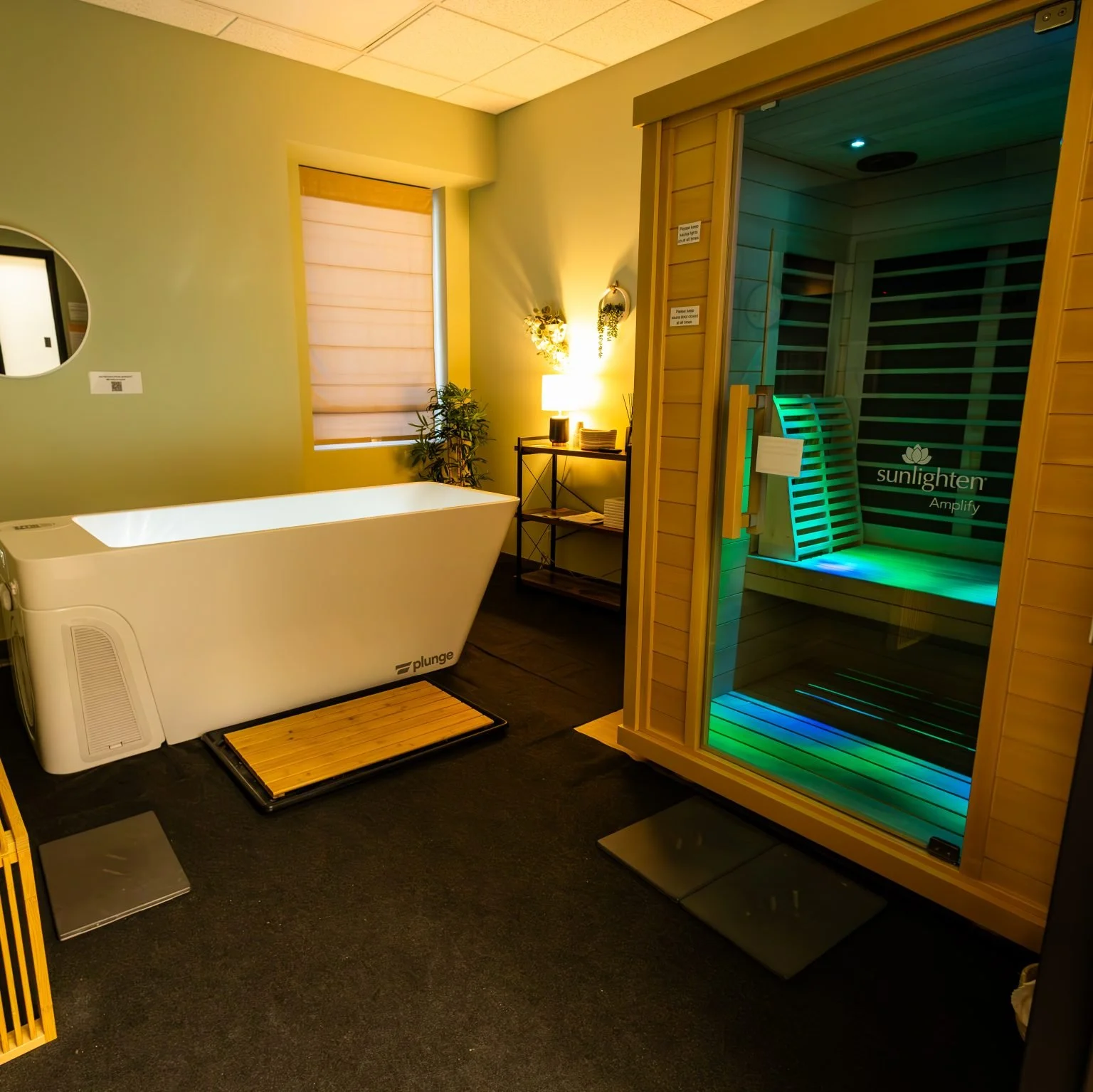
What if departments had thoughtfully designed wellness rooms. Not a couch in the corner, but a true space ot reset. A place where someone finishing a high adrenaline call could intentionally downshift before driving home. Lower lighting. Guided breathing prompts. Compression boots. Recovery tools. Access to a sauna and cold plunge for those who choose it.
Regular sauna use has been associated with reduced cardiovascular risk and improved stress resilience in long term studies (Laukkanen et al., 2015). Research on cold exposure suggests benefits for mood and inflammatory response, and more studies are coming out on this (Shevchuk, 2008). These are not miracle solutions. They are optional tools. But having them available on site reduces barriers to burnout.
That is not indulgence. That is nervous system hygiene, and its what we know works.
Nutrition matters too. When calls stack up, the fast food drive-through often becomes the easiest option.
Chronic stress combined with unstable blood sugar amplifies fatigue and irritability. Stable nutrition supports emotional regulation and cognitive clarity. What if ready-made, balanced meals were available on site. Protein forward options. Steady energy choices. Something real and nourishing available even during a late shift.
Exercise is another piece. Some departments already have weight rooms, which is a strong start. Research consistently links regular strength training and aerobic activity to improved mental health outcomes, stress regulation, and sleep quality (Stubbs et al., 2017). What would it look like to make movement part of the culture and schedule, not something people are expected to fit into already limited personal time?
And then there is mental health access, the area that is so near and dear to my heart.
Many municipalities offer employee assistance programs that limit the number of counseling sessions available per year. I understand the intention behind that structure. At the same time, when someone is repeatedly exposed to trauma as part of their job, mental health care should never feel scarce. It is my understanding that first responders in Albany County are afforded six individual mental health sessions and six couples sessions through the EAP, per year.
In my professional opinion, first responders should have expanded and unlimited access to confidential, trauma informed mental health care as part of their employment package. Just as we fund protective gear and equipment to keep them physically safe, we should fund the mental health care that keeps them mentally prepared.
We cannot tell people to “take care of themselves” and then cap that care.
I also want to say this clearly. I am writing this from the outside. I do not sit in leadership meetings. I am not a first responder. There may already be strong supports in place that I have not seen. If that is true, I would genuinely love to learn more and then talk about how we can do even better.
This is not about claiming to have all the answers. It is about asking whether we could strengthen what already exists. So that we strengthen the care and protection that is given to us by the responders we call upon.
Could clinicians, first responders, city council members, first responder families, government officials, etc. sit at the same table and ask better questions.
What would actually help during a twelve hour shift?
What makes the transition home hardest?
What wellness supports would realistically be used?
What funding streams could support sustainable prevention?
We need first responders. That is not up for debate. They show up for us on our worst days, they see us often in our most vulnerable moments.
And maybe this sounds selfish, but I want the people I call in an emergency to be the best version of themselves. When there is a crisis in my classroom and I call an SRO (School Resource Officer) or a police officer, I want them to be physically steady and mentally grounded. When a firefighter responds to someone I love or dispatcher takes my 911 call, I want that person to have slept well enough, eaten well enough, and recovered well enough to think clearly and act calmly. I have dedicated my life to protecting and counseling the children and families in this community. When we need help, I want the people running toward that moment to be supported well enough that they can bring their best to it.
The question is whether we, as a community, are willing to invest in keeping them well?
I truly believe that we protect each other best when we strengthen each other first.
Maybe building resilience together starts with something as simple and as powerful as making sure the people who run toward crisis have access to an oxygen mask?

Comments will remain open on this particular post for constructive dialogue.
References
Berger, W., Coutinho, E. S. F., Figueira, I., et al. (2012). Rescuers at risk: A systematic review and meta regression analysis of the worldwide prevalence of PTSD in rescue workers. Psychological Medicine, 42(8), 1567 to 1580.
Carleton, R. N., Afifi, T. O., Turner, S., et al. (2018). Mental disorder symptoms among public safety personnel in Canada. Canadian Journal of Psychiatry, 63(1), 54 to 64.
Centers for Disease Control and Prevention. (2023). Suicide rates by state.
Petrie, K., Milligan Saville, J., Gayed, A., et al. (2018). Prevalence of PTSD in first responders: A meta analysis. PLOS ONE, 13(4).
Shevchuk, N. A. (2008). Adapted cold shower as a potential treatment for depression. Medical Hypotheses, 70(5), 995 to 1001.
Stubbs, B., Vancampfort, D., Hallgren, M., et al. (2017). EPA guidance on physical activity as a treatment for mental illness. Journal of Psychiatric Research, 95, 48 to 57.
Violanti, J. M., Fekedulegn, D., Hartley, T. A., et al. (2011). Shift work and the incidence of injury among police officers. American Journal of Industrial Medicine, 55(3), 217 to 227.